
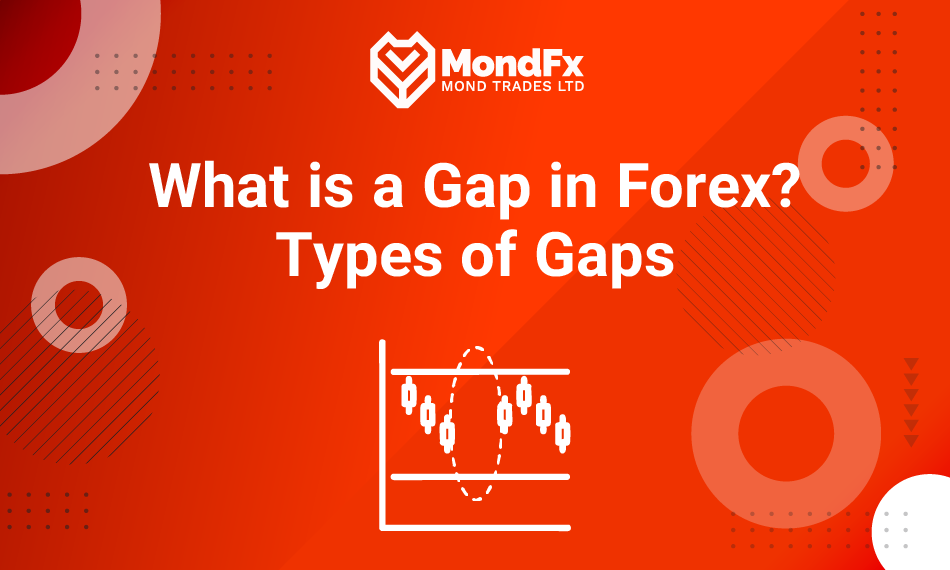
A gap in Forex is one of the common phenomena in financial markets, occurring due to sudden price changes and the absence of trades between two price levels. This phenomenon happens when the opening price of a candlestick significantly differs from the closing price of the previous candlestick. Gaps often form under conditions such as the release of important economic news, sudden shifts in market sentiment, or at the beginning of the week after the market closes on Friday.
Reasons for Gaps in Forex

Gaps in Forex usually occur due to sudden changes in supply and demand, important economic news, or unexpected events. This phenomenon takes place when there is a gap between the closing price of one candlestick and the opening price of the next. The most significant factors that cause gaps in the market include:
1. Release of Economic News and Macroeconomic Data
The announcement of key economic indicators, such as interest rates, unemployment figures, inflation rates, and Gross Domestic Product (GDP), can create extreme market volatility. If these data do not match prior forecasts, the market may react suddenly, resulting in a price gap. This is especially true when central banks make major monetary policy decisions, increasing the likelihood of a gap forming in the market.
2. Weekend Closure and Monday Market Opening
Since the Forex market is closed from Friday night to early Monday morning, but other financial markets continue to be influenced by economic news and global developments, prices may open with a gap at the beginning of the new trading week. This occurs because, during the weekend, important economic news, policy decisions, and changes in global market trends influence investor sentiment, causing Monday’s opening price to be different from Friday’s closing price.
3. Unexpected Events and Geopolitical Developments
Sudden events such as financial crises, wars, political changes, shifts in central bank policies, or natural disasters can cause drastic changes in investor expectations. These conditions may lead to gaps on the price charts as traders rush to adjust their positions in the market, often resulting in reduced liquidity.
4. Extreme Fluctuations in Supply and Demand
Large market orders, especially when liquidity is low, can lead to gaps. This situation commonly occurs in thin markets, low-volume trading hours, or during the release of significant economic news. If a large number of traders place orders in a specific direction, a sudden price movement may occur, leading to the formation of a gap.
Types of Gaps in Forex

Price gaps in Forex are categorized into four main types based on market conditions and trader behavior. Each type of gap provides different signals to traders, and understanding them can help improve trading strategies.
Common Gap
This type of gap usually occurs in highly liquid markets and is typically caused by minor changes in trader sentiment. Common gaps are generally filled quickly as they lack strong fundamental changes in the market. These gaps mostly appear in sideways or non-trending markets and, after a short period, the price tends to return to its initial range.
Breakaway Gap
A breakaway gap forms when the price breaks out of a consolidation zone and starts a new trend. This type of gap is often accompanied by a sharp increase in trading volume and can indicate the entry of large investors into the market. Breakaway gaps usually appear at the beginning of strong bullish or bearish trends and typically do not get filled quickly, as they represent significant structural changes in the market.
Continuation Gap
A continuation gap appears in the middle of a strong trend and signals the continuation of price movement in the same direction. These gaps occur when the market is already in a bullish or bearish trend, and more traders join the movement. An increase in trading volume during these gaps reflects strong investor confidence in the ongoing trend.
Exhaustion Gap
An exhaustion gap typically forms at the end of a strong trend and indicates a declining market momentum. This gap occurs when the price has moved in one direction for a long time and liquidity starts to dry up. After forming, an exhaustion gap often leads to a price reversal, causing the market to enter a corrective or opposite trend.
Comparison Table of Gap Types in Forex
| Gap Type | Characteristics | Occurrence | Likelihood of Being Filled | Trading Signal |
| Common Gap | Minor changes in trader sentiment, usually low volume | Highly liquid markets, non-trending conditions | High | Does not provide a strong trading signal |
| Breakaway Gap | Breakout from a consolidation zone, high volume | Beginning of a new trend (bullish or bearish) | Low | Confirms the start of a strong trend |
| Continuation Gap | Forms in the middle of a trend, increase in demand or supply | During a strong bullish or bearish trend | Low | Confirms trend continuation |
| Exhaustion Gap | Declining market momentum, usually low liquidity | At the end of a strong trend | Medium to high | Likely signals a price reversal and trend change |
This table helps traders analyze different types of gaps, their conditions, and the likelihood of them being filled. By understanding these gaps, traders can identify better entry and exit points and take advantage of market fluctuations effectively.
Do Gaps Always Get Filled?
One of the most common questions regarding gaps is whether they always get filled. Gap fill means that the price returns to the level where the gap was initially formed. In some cases, gaps are filled within a short time, while in other situations, they may remain unfilled for an extended period.
Generally, common and exhaustion gaps have a higher probability of being filled, whereas breakaway and continuation gaps often establish a new trend and may not be filled for a long time.
How to Use Gaps in Forex Trading?
Professional traders use price gaps as a tool for identifying trading opportunities and better managing their positions. Understanding the type of gap, its location, and trading volume can provide valuable insights into the future behavior of the market. Below, the most important methods for utilizing gaps in Forex trading are examined.
Trading Based on Gap Filling
One of the common strategies in gap trading is trading against the gap’s direction with the expectation that it will be filled. This method is used when a trader predicts that the market, after creating a gap, will return to its initial price level. This strategy is mainly applied in common gaps and exhaustion gaps, which tend to fill quickly.
For example, if an upward gap appears on the chart but trading volume is low and the market shows signs of weakness, the price may decline and fill the gap. In such a case, the trader can enter a trade against the gap’s direction. Signs that increase the probability of a gap being filled include low volume, reversal patterns such as Doji or reversal candlesticks, and price approaching key resistance or support levels.
Trading in the Direction of the Gap
Some gaps occur due to strong liquidity inflows and fundamental changes in the market. In these cases, the price usually continues in its direction without being filled. This strategy is used in breakaway gaps and continuation gaps, which are typically caused by major news events, price breakouts, or strong trends.
For example, if an upward gap forms after the release of a positive economic report or a breakout of a key resistance level and is accompanied by high trading volume, the probability of a continued uptrend is high. In this situation, the trader can enter a trade in the direction of the gap. High trading volume, confirmation of the gap through technical indicators such as moving averages or MACD, and the breakout of significant support or resistance levels are among the signals that increase the likelihood of trend continuation.
Confirming Trends by Analyzing Trading Volume
Trading volume plays a crucial role in determining whether a gap will be filled or continue.
Gaps accompanied by high trading volume are usually continuation gaps, indicating that large traders have entered the market and that the trend is likely to continue. On the other hand, gaps with low trading volume are more likely to be filled, as they indicate market uncertainty and a lack of strong support from buyers or sellers.
If a gap is accompanied by a sharp increase in trading volume, traders can consider entering a trade in its direction. Conversely, if trading volume is low, the probability of price reversal and the gap being filled increases.
Risk Management by Setting Stop Loss and Take Profit Levels
Since gaps can create significant market volatility, setting stop-loss and take-profit levels is crucial.
In gap-filling strategies, the stop loss should be placed above or below the gap range. In trading in the direction of the gap, the stop loss should be set near key support or resistance levels.
For take profit, in gap-filling strategies, traders can target the price level where the gap closes. However, in gap-direction trades, take profit should be set at the next key support or resistance level.
Combining Gaps with Other Technical Analysis Tools
To improve trading accuracy, gaps can be combined with other technical analysis tools.
- Moving Averages can help assess the strength of a trend.
- RSI Indicator: If a gap forms in an overbought or oversold zone, the probability of a price reversal increases.
- Reversal Candlestick Patterns: Identifying confirmatory candlestick formations can assist in predicting whether the price will continue in the gap’s direction or reverse.
Gaps are an important phenomenon in Forex technical analysis, offering traders attractive trading opportunities. The four main types of gaps are common gap, breakaway gap, continuation gap, and exhaustion gap, each with its own characteristics and signals. Understanding these gaps correctly and applying the appropriate strategies can help traders analyze the market more effectively and enhance their trading profitability.
Types of Gaps in Price Action
In price action, gaps are recognized as indicators of sudden changes in supply and demand and can provide valuable insights into the strength or weakness of a market trend. Price action traders typically use gaps to identify trading opportunities and understand market sentiment.
Breakaway Gap
A breakaway gap occurs when the price breaks out of a consolidation zone and starts a new trend. This type of gap is usually seen at the beginning of a strong market movement and signifies a major change in the structure of supply and demand.
If this gap forms in an upward direction, it indicates the entry of strong buyers and the potential continuation of a bullish trend. However, if it forms in a downward direction, it signals increased selling pressure and the start of a strong bearish trend. A breakaway gap is usually accompanied by a significant increase in trading volume, which confirms the strength of the price movement.
Continuation Gap (Runaway Gap or Measuring Gap)
This type of gap forms midway through a strong trend and indicates the continuation of the same trend. Unlike breakaway gaps, which mark the beginning of a new trend, a continuation gap suggests that the current trend still has enough momentum to persist.
This gap typically appears in markets with strong trends and does not get filled, as it reflects traders’ high interest in continuing the movement in the same direction. The trading volume in this type of gap is usually high, but not as significant as in a breakaway gap.
Exhaustion Gap
An exhaustion gap appears at the end of a trend and signals weakness in continuing the price movement. This gap occurs when the price has moved excessively in one direction and market strength begins to decline.
In uptrends, this gap can indicate a loss of buying momentum, potentially leading to a price reversal. In downtrends, an exhaustion gap may signal weakening selling pressure and a possible bullish reversal. This type of gap tends to fill quickly, as many traders who had entered trades in the direction of the trend begin to exit their positions.
Island Reversal Gap
The island reversal gap is one of the most powerful trend reversal signals in price action. It occurs when the price gaps in one direction, forms a short-term consolidation, and then gaps in the opposite direction, leaving behind an isolated price area.
This pattern appears on the chart as an isolated price island. It indicates a sudden change in market sentiment and often occurs at key support and resistance levels. An island reversal gap is considered one of the most reliable reversal patterns, usually signifying a major shift in market direction.
How to Use Gaps in Price Action?
Price action traders use gaps to identify entry and exit points. Combining gaps with candlestick patterns, support and resistance levels, and trading volume can help recognize valid trading opportunities.
In breakaway and continuation gaps, trading in the direction of the gap can be profitable. However, in exhaustion and island reversal gaps, trading against the gap’s direction after confirming a trend reversal can provide good opportunities.
Analyzing trading volume and candlestick behavior near the gap can help determine whether the price is likely to continue moving or if the gap will be filled.
What is a Gap in Cryptocurrency?

A gap in the cryptocurrency market is similar to those in other financial markets, such as Forex and stocks, and refers to the price difference between two consecutive candlesticks. This occurs when the closing price of one candlestick significantly differs from the opening price of the next one. Gaps are usually created due to sudden changes in supply and demand, news events, shifts in investor sentiment, or low market liquidity.
However, gaps in the cryptocurrency market are less frequent compared to traditional markets. The main reason is that the cryptocurrency market operates 24/7 without any breaks. Unlike Forex and stock markets, which close over the weekends and may open with a price gap, there are no such interruptions in crypto trading. Nonetheless, gaps that do form in this market are often caused by high investor activity and sudden changes in liquidity and trading volume.
Reasons for Gaps in the Cryptocurrency Market
1. Low Liquidity and Low Trading Volume
At certain times when trading volume decreases—especially in low-cap altcoins—buy and sell orders may be placed far apart, leading to a price gap.
2. Sudden Movements by Whales
The sudden entry or exit of a large amount of capital into a specific cryptocurrency by large investors (whales) can cause a price gap in the market.
3. Release of Important News
Events such as regulatory changes, adoption of a cryptocurrency by a major company, hacking incidents, or significant blockchain upgrades can cause extreme volatility, leading to price gaps.
CME Gaps and the Impact of Traditional Markets on Cryptocurrencies
One of the most significant gaps that cryptocurrency traders monitor is the Chicago Mercantile Exchange (CME) Futures Gap. Bitcoin futures trading on CME closes over the weekend, while the cryptocurrency market continues to operate. This time difference often results in a price gap when the CME market reopens on Monday, and many traders use this to analyze Bitcoin’s potential price movements.
Do Cryptocurrency Gaps Always Get Filled?
A common question among traders is whether crypto price gaps behave similarly to those in traditional markets and always get filled. Gap filling means that the price returns to the level where the gap originally formed.
In some cases, gaps are quickly filled, whereas in other situations, the market may not revisit these levels for a long time. Small gaps caused by low liquidity or sudden orders tend to get filled quickly. However, gaps resulting from fundamental news or major market trend shifts may persist for extended periods or even remain unfilled. For this reason, traders should not solely rely on gaps but also consider other technical and fundamental factors when making trading decisions.
How to Use Gaps in Cryptocurrency Trading?
1. Analyzing CME Gaps to Predict Bitcoin’s Movement
Many professional traders monitor CME Bitcoin futures gaps to identify potential price reversal levels. These gaps typically form between Friday and Monday, and in many cases, Bitcoin attempts to fill these gaps in subsequent trading sessions.
2. Trading in the Direction of the Gap in Strong Trends
If a gap forms in line with a strong uptrend or downtrend, the trend is likely to continue. In such cases, traders can enter positions with confirmation from trading volume and key technical levels.
3. Trading Based on Gap Filling in Low-Volatility Markets
When a gap is caused by low liquidity or sudden orders, the probability of it being filled is high. Traders can identify these gaps and trade against them to profit from the price returning to previous levels.
4. Using Technical Indicators to Confirm Gap Signals
Combining gaps with technical indicators such as moving averages, trading volume, RSI, and support and resistance levels can improve analysis accuracy and prevent early or late trade entries.
By understanding how gaps behave in the cryptocurrency market and incorporating them into a comprehensive trading strategy, traders can take advantage of these market inefficiencies to enhance their profitability.
What is an Exhaustion Gap in Forex?
An exhaustion gap occurs when the price creates a price gap at the end of a strong trend and then, with a decrease in trading volume, the trend halts or reverses. This type of gap is usually a sign of the end of a trend and a potential price reversal. Unlike continuation gaps, which indicate trend strength, exhaustion gaps typically result from emotional trading by market participants and the market’s inability to sustain its previous direction.
Characteristics of an Exhaustion Gap in Forex
This gap usually forms after an extended and strong price movement. A decline in trading volume following the gap suggests that there is no longer enough strength to continue the trend. Additionally, exhaustion gaps often appear near key resistance or support levels and are accompanied by reversal candlestick patterns such as Doji, Hanging Man, or Inverted Hammer.
How to Use Exhaustion Gaps in Trading?
Traders use this gap to identify exit points from trades in the previous trend direction and enter counter-trend trades. Confirming a price reversal through a break of support or resistance levels and a decline in trading volume can provide a stronger signal for entering trades against the previous trend. Stop-loss levels can be set slightly above or below the gap, while take-profit targets can be placed at key subsequent support or resistance levels.