

The Gold
In recent days, the price of gold has declined under the influence of strong economic data from the United States and the optimistic atmosphere prevailing in global markets. This precious metal, which has traditionally been considered a safe haven during times of economic uncertainty, is now facing factors that have diminished its appeal.
One of the most important factors is the strength of the U.S. labor market. Recent reports indicate that jobless claims have decreased, and this trend has continued for several consecutive weeks. Such conditions reflect high investor confidence in the stability of the U.S. economy, something that has shifted their interest toward yield bearing assets like stocks and bonds, thereby reducing attention to gold.
In addition, other economic indicators also point to continued economic stability in the U.S. Durable goods orders, particularly in sectors excluding transportation, have shown growth. Although overall orders have declined, this has mainly been due to reduced aircraft purchases and cannot, by itself, be seen as a sign of weakness. Meanwhile, real bond yields have also remained at favorable levels, indicating that the Federal Reserve currently sees no need to cut interest rates.
On the other hand, positive news in the realm of international trade has also impacted the price of gold. The initial agreement between the U.S. and Japan, although minor, was a positive signal for easing trade tensions. Moreover, optimism about a potential agreement between the U.S. and the European Union before a key deadline has steered market sentiment toward riskier assets. Even Donald Trump’s announcement of progress in several trade agreements despite a 50 percent probability of reaching a deal with the European Union was enough to reduce the market’s inclination toward gold.
Another contributing factor is the role of the U.S. dollar. Since gold is priced in dollars, an increase in the dollar’s value makes gold more expensive for foreign buyers, thereby reducing global demand. The U.S. dollar index has also experienced a modest upward trend, which overall has added pressure on gold prices.
In the coming week, markets will focus on major economic events. Chief among them is the Federal Reserve’s interest rate decision, which is expected to remain unchanged. This decision could have a direct impact on the trajectory of gold, as interest rates and gold typically move in opposite directions. Higher interest rates make bonds more attractive and reduce demand for gold. However, if the Federal Reserve signals a possible rate cut in the future, this could provide new psychological support for gold.
In addition, reports such as Gross Domestic Product (GDP) growth, the Personal Consumption Expenditures (PCE) index, and Non Farm Payrolls (NFP) data will also be released next week. Each of these data points can play a decisive role in shaping inflation expectations, interest rate forecasts, and ultimately the price of gold. If the data confirm the strength of the U.S. economy, we will likely see further downward pressure on gold; otherwise, this precious metal may once again come into focus.
Overall, gold is currently in a “wait and see” phase, moving within a defined range. The strength of the U.S. economy, a stronger dollar, positive trade news, and the absence of serious economic fears are all factors that have reduced gold’s investment appeal. Nevertheless, markets can quickly shift direction under the influence of new data and decisions.
The Euro
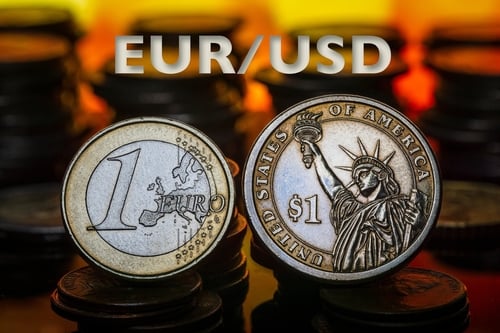
This week, the EUR/USD currency pair delivered a strong performance, gaining nearly one percent. However, by the end of the week, its upward momentum had slowed, and the market remained relatively unchanged, as traders assessed key developments from both sides of the Atlantic. Despite mixed economic data, optimism over progress in U.S. – EU trade negotiations was a key factor in sustaining bullish sentiment for the euro.
From the U.S. side, the economic picture appeared mixed. While durable goods orders declined particularly in the transportation sector and aircraft purchases the labor market continued to demonstrate strength. A drop in jobless claims signaled that hiring is ongoing and employers still see no need for workforce reductions. This suggests the U.S. economy may not be slowing as much as previously thought, potentially keeping the Federal Reserve from altering interest rates for now.
Meanwhile, market attention turned to reports suggesting potential progress in trade talks between the U.S. and the European Union. The release of such news, especially a Financial Times report on positive developments in negotiations helped strengthen the euro. Earlier in the week, the EUR/USD pair had also risen in response to the U.S. – Japan trade agreement. Although the outcome of these negotiations remains uncertain, even the possibility of reaching an agreement was enough to prompt a wave of optimism in the markets. In an environment where traders welcome clarity, this degree of optimism appeared sufficient to maintain the euro’s upward trend.
In Europe, the European Central Bank (ECB) left interest rates unchanged, as expected, and adopted a cautious stance. The bank stated that future policy decisions will be made on a meeting by meeting basis, without committing to any specific changes in interest rates. Given the mixed economic data across the Eurozone and the persistence of certain challenges, this cautious approach was well received by the market especially at a time when focus remains largely on economic developments in the U.S.
Now, attention is turning to the upcoming week and the important Federal Reserve meeting. While the likelihood of a rate change is very low, what truly matters is the tone and signals the Fed delivers regarding the future of its monetary policy. The market’s reaction to these messages could determine the direction of EUR/USD. If the Fed adopts a cautious tone and expresses concern about inflation, the dollar may strengthen and halt the euro’s recent gains. Conversely, if the tone is more dovish and flexible, the euro may once again rise.
Alongside the Fed meeting, key U.S. data releases including GDP growth, the PCE inflation index, and the Non Farm Payrolls (NFP) report are also scheduled. All of these have the potential to trigger significant volatility in the currency markets. This past week was not solely driven by numbers; rather, it reflected a shift in market sentiment, optimism about trade agreements, and a sense of calm before the storm. The euro managed to sustain its upward momentum, supported by a stream of positive news from both sides of the Atlantic.
Nevertheless, EUR/USD is currently in a consolidation phase. There is neither a clear signal of a strong breakout nor serious pressure for a decline. Traders are waiting for stronger cues to determine the next move. Ultimately, what made this week noteworthy was the outsized impact of small but meaningful news and how quickly markets can shift direction in response. Now, all eyes are on the Federal Reserve and a series of critical economic data releases. The story isn’t over yet, and the coming week could be decisive.
The Pound
In recent days, the GBP/USD currency pair has been influenced by a mix of economic data and global developments. The U.S. labor market continues to show strength, with recent reports indicating that jobless claims were lower than expected. This reflects employer confidence and economic stability, strengthening the dollar and increasing investor confidence. In contrast, the British pound has come under pressure due to weaker than expected data in the consumer sector.
In the United States, despite a decline in durable goods orders in June, there was a slight increase in core orders when the transportation sector was excluded. This indicates that demand for industrial equipment and related technologies remains intact, and the core sectors of the economy continue to perform steadily.
At the same time, the trade environment has also experienced volatility due to comments made by former U.S. President Donald Trump. He announced that several trade agreements are close to being finalized and hinted that new tariffs ranging from 10 to 15 percent will soon be introduced. Although these remarks lacked official details, markets tend to react to such signals especially when it involves trade relations with the European Union or China.
On the UK side, retail sales in June increased, but the growth was below expectations. While a monthly growth rate of 0.9 percent was recorded, forecasts had pointed to 1.2 percent. Similarly, the annual growth rate of 1.7 percent also fell slightly short of expectations. Although these figures are not negative, they were not strong enough to instill confidence in the market. As a result, some analysts now speculate that the Bank of England may consider cutting interest rates in the future, especially if weak consumer trends persist.
Overall, markets are currently positioned with the economic stability of the United States standing in contrast to the economic uncertainties and challenges in the United Kingdom. The strength of the labor market and investments in the U.S. allow the Federal Reserve to take a more measured approach toward interest rate decisions, while the UK faces pressure from consumer data and the potential for changes in monetary policy. Meanwhile, global trade policies remain a variable and significant factor that can shift market direction at any moment.
In such an environment, focusing on fundamental trends such as labor markets, consumer behavior, and monetary policy is more important than ever. Investors must look beyond the headlines and develop a deeper understanding of economic structures.
In conclusion, this week presented a combination of positive signals from the U.S. and somewhat disappointing data from the UK, creating a backdrop for pound weakness and dollar strength. Under current conditions, GBP/USD traders should monitor upcoming developments with greater precision, as in a dynamic global market, the only constant is change.

The Oil
The global oil market is currently at a critical juncture shaped by geopolitical developments, economic shifts, and supply demand dynamics, all of which have led to significant price volatility and heightened uncertainty. This analysis aims to present a short and medium term outlook on oil by thoroughly examining key contributing factors.
The Organization of the Petroleum Exporting Countries and its allies (OPEC+) have confirmed their plan to increase production by 548,000 barrels per day in August, with a potential extension of this policy into September. This production boost comes at a time when global markets remain in a fragile state regarding supply. Additionally, the U.S. government’s decision to reinstate Chevron’s license to operate in Venezuela—and the possibility of increased exports from the country after years of sanctions—could significantly enhance global supply in the long term, despite Venezuela’s infrastructure challenges. As the holder of the world’s largest proven crude oil reserves, even a partial recovery of Venezuela’s production capacity sends a strong signal to the market.
Factors such as the temporary restriction on Kazakhstan’s oil exports via Russian ports and technical issues in oil loading operations in Turkey have also temporarily pressured prices. However, these disruptions appear to be gradually resolving, and supply is expected to return to normal levels.
On the other hand, market optimism regarding improved trade relations between the United States, the European Union, and China especially as the deadline for U.S. tariffs on EU exports approaches has supported a more positive outlook for oil demand. Potential tariff agreements, including tariff reductions or stabilization, could stimulate economic growth and, consequently, bolster oil consumption.
However, the threat and imposition of retaliatory tariffs between the U.S. and the EU, along with technical disputes over automotive standards, pose a significant risk of slowing global economic growth, which in turn could reduce oil demand. This has placed the market in a highly volatile and ambivalent position.
In the U.S. oil market, a decline in the number of active drilling rigs signals short term weakness in demand. Yet, the significant reduction in crude oil inventories reported by the API and EIA indicates relatively strong demand, which could help support prices.
Regional political developments also continue to impact oil supply and raise security concerns. Ongoing tensions and military movements in the Middle East along with the roles of countries such as Iran, Iraq, and Libya, formal requests for defensive support in oil rich regions, and new oil exploration agreements in Libya underscore the dynamic nature of the geopolitical landscape. China’s support for Russia and Iran, as well as the cautious stance of some regional countries in offering direct military support, are influencing the balance of power and the security of oil supply. Notably, the deployment of long range U.S. bombers has led certain countries to adopt a more restrained approach in supporting Iran.
Gulf Cooperation Council (GCC) countries, while reliant on oil revenues, face varying degrees of vulnerability to price fluctuations. The United Arab Emirates and Qatar, with much lower fiscal breakeven prices (below $40) and healthy foreign exchange reserves, enjoy greater financial flexibility.
In contrast, Saudi Arabia, with a budget breakeven oil price of around $94, is more sensitive to fluctuations; however, its substantial reserves and experience in fiscal management contribute to maintaining stability. In recent years, these countries have sought to reduce their dependence on oil by increasing non-oil revenues and advancing economic diversification, an important lever in coping with price volatility.
The global oil market is currently influenced by fundamental tensions between rising supply on the one hand, and demand uncertainties and geopolitical risks on the other. Upward supply pressures from OPEC+ and the potential return of Venezuelan oil, combined with tariff and political challenges, have created a highly volatile market environment. Key Gulf countries, due to differing fiscal structures and economic diversification efforts, exhibit varying levels of vulnerability to oil shocks, though most possess sufficient flexibility. Technical analysis also suggests the likelihood of continued downward pressure on prices unless positive demand data and political progress in trade negotiations support upward movements. Market participants must closely monitor changes in fundamental, political, and technical factors and be prepared for significant volatility.