
In the world of financial markets, which are constantly accompanied by unpredictable fluctuations, traders require effective tools and techniques to maximize their profits. One of the powerful tools that is widely used among financial market participants is the Buy Stop order. This tool is essentially a type of conditional order that allows traders to enter a buy trade at a price higher than the current market rate under specific conditions.
Definition of a Buy Stop Order
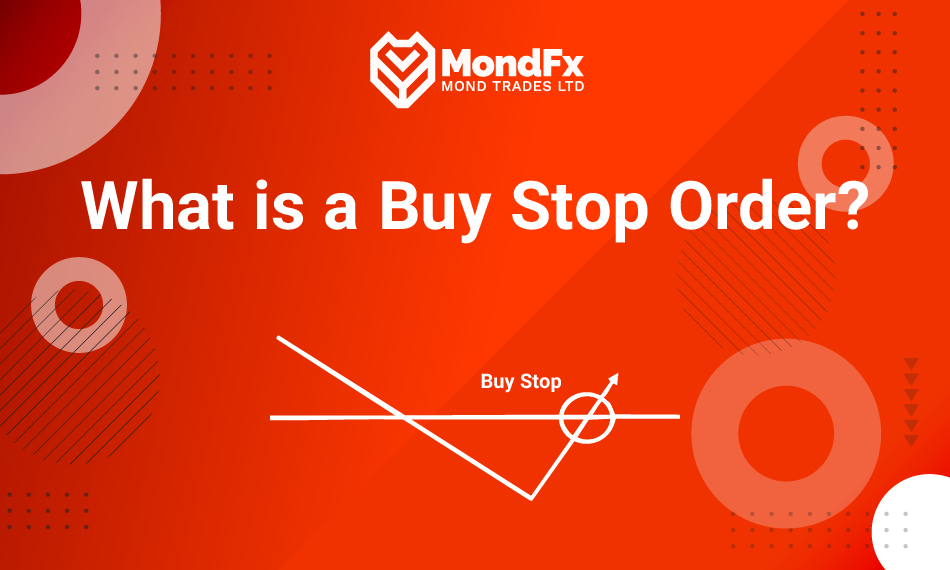
A Buy Stop order is a type of order in financial markets that enables traders to enter a buy position at a price higher than the current market rate. This type of order is activated when the market price reaches the specified level in the order, at which point it automatically turns into a buy order.
Traders typically use this tool when they anticipate that a strong upward trend will begin once the price breaks through a significant resistance level. For this reason, the Buy Stop order can be crucial in breakout-based trading strategies, helping investors enter the market at the right moments and align with price growth trends.
What is a Buy Limit Order?
A Buy Limit order is another type of order in financial markets that falls under the category of Pending Orders. It allows traders to enter a buy position under specific conditions. This type of order is set when a trader intends to purchase a particular asset at a price lower than the current market rate.
Simply put, in a Buy Limit order, the trader predicts that the asset’s price will decline to a certain level and then resume an upward trend. In this case, once the order is activated and automatically enters a buy trade at that level, it provides a favorable opportunity to enter the market at better prices.
What is a Buy Stop Limit Order?
A Buy Stop Limit order combines the features of two common order types: the Buy Stop and the Buy Limit. This type of order allows traders to plan their buy orders at a price higher than the current market rate, but with the condition that the purchase occurs only within a specified price range and under defined conditions.
In a Buy Stop Limit order, a price level is first determined. If the market price reaches that level, the order is activated. However, the trade will only be executed if the price reaches the specific range defined by the trader. This tool is suitable for situations where a trader predicts that after breaking through a resistance level, the price will initially experience some fluctuation before entering a sustained upward trend.
How a Buy Stop Order Works

The mechanism of this order operates as follows: the trader specifies a certain price level, and if the market price reaches that point, the Buy Stop order is activated and automatically turns into a buy order. This tool is typically used in situations where a trader predicts that the market will enter a strong upward trend after surpassing a significant resistance level.
Application of the Buy Stop Order
One of the most important uses of this order is to enter buy trades when the market price breaks through a key resistance level and there is a likelihood of a strong bullish trend beginning. This feature helps traders automatically enter a trade at the time of a resistance breakout (Breakout) without the need to be present in the market at that exact moment.
Moreover, the Buy Stop order is highly practical for individuals who intend to trade in volatile markets and do not want to miss profitable opportunities arising from sudden price movements.
The Buy Stop order is also effective in risk management, as traders can specify an entry point to avoid entering the market prematurely and facing potential losses.
Difference Between Buy Limit and Buy Stop
The differences between Buy Limit and Buy Stop are as follows:
1. Order Placement
A Buy Limit order is set when a trader intends to purchase an asset at a price lower than the current market rate. This tool is useful when the trader predicts that the market price will decline and then start an upward trend after reaching a specific level. Conversely, a Buy Stop order is used when the trader expects the price to enter a strong upward trend after breaking through a resistance level. In this case, the Buy Stop order is placed at a price higher than the current market rate.
2. Order Activation Conditions
A Buy Limit order is activated only if the market price decreases to or below the specified level. This method suits traders who aim to purchase an asset at a lower price. However, in a Buy Stop order, the trade is activated only when the price reaches the specified level and continues upward afterward, completing the buy order. This distinction makes the Buy Stop more commonly used in breakout-based trading strategies.
3. Position in Trading Strategies
A Buy Limit order is typically used when a trader expects the price to reach a support level and rebound from there. On the other hand, a Buy Stop order is suitable when a trader believes the price will continue to rise after surpassing a resistance level. The Buy Limit is more common in reversal-based strategies, while the Buy Stop is often used in trend-following strategies.
4. Control Over Purchase Price
In a Buy Limit order, the trader has precise control over the price at which they purchase the asset, making this method ideal for buying at price lows. Conversely, in a Buy Stop order, the trader aims to buy at a point where a resistance breakout is confirmed, with a higher likelihood of price growth, even though the final purchase price may be slightly above the trader’s intended level.
Advantages and Disadvantages of Buy Stop Orders in Forex
Advantages of Buy Stop Orders in Forex
1. Automatic Entry into Trades During Resistance Breakouts
One of the most significant advantages of the Buy Stop order is that traders can automatically enter a buy position when the price breaks through a resistance level without needing to constantly monitor the market. This feature is particularly helpful in volatile markets, ensuring traders do not miss profitable opportunities arising from sudden price movements.
2. Suitable for Trend-Following Strategies
The Buy Stop order is an ideal tool for traders who follow breakout trading strategies. In this method, traders wait for the price to break through a key level to confirm that the market is on an upward trajectory before entering a trade. This approach helps traders align their trades with the prevailing market trend.
3. Reduces Emotional Decision-Making in Trading
The Buy Stop order allows traders to predefine their entry points before major price movements occur, minimizing impulsive and emotionally-driven decisions. This feature enhances discipline and order in trade execution.
Disadvantages of Buy Stop Orders in Forex
1. Risk of Activation During False Breakouts
One of the main challenges of the Buy Stop order is that it may activate during a false breakout, a situation where the market temporarily breaks a resistance level but quickly reverses. This could result in the trader entering a buy position and incurring a loss. To mitigate this risk, traders often use a Stop Loss order alongside the Buy Stop order.
2. Limited Control Over Entry Price
In rapidly moving markets, the actual entry price may be slightly higher than the level set in the Buy Stop order. This is particularly common during periods of high volatility or in less liquid markets, potentially resulting in entry at a less favorable price than expected.
3. Requires Precise Analysis to Identify Entry Points
To successfully use a Buy Stop order, traders must possess strong technical analysis skills to accurately identify key resistance levels and optimal entry points. Poor selection of these levels can lead to unsuccessful trades and unexpected losses.
Difference Between Buy Stop and Other Types of Orders

To better understand the Buy Stop order, it is essential to compare it with other common types of orders in the market:
Market Order
A Market Order is executed when a trader decides to place their trade immediately at the best available market price. In this method, the trade is executed without any delay in entry or exit, and the trader’s priority is the speed of execution rather than the precise entry or exit price. For this reason, Market Orders are often used when a trader aims to enter or exit the market quickly, especially in situations where the market is highly volatile.
Limit Order
A Limit Order is a type of conditional order in which the trader specifies a particular price for entering a trade. In this method, if the trader intends to buy, the order is placed at a price lower than the current market rate, and if they intend to sell, the order is placed at a price higher than the current market rate. This type of order allows the trader to buy or sell an asset at their desired price and helps prevent unintended entries at unfavorable prices. Limit Orders are typically used when a trader expects the market to reverse at specific points, thereby setting a favorable price for buying or selling.
Buy Stop
Unlike the Limit Order, a Buy Stop order is placed at a price higher than the current market rate and is activated only when the market price reaches the level specified by the trader. This tool is used when a trader predicts that if the price breaks through a significant resistance level, a stronger upward trend will begin. Buy Stop orders are commonly employed in breakout trading strategies and help traders enter the market at points where the continuation of the upward trend has been confirmed.
Why Use a Buy Stop Order?
Traders utilize Buy Stop orders in various situations. The most important reasons for using this type of order are as follows:
Entering Trades in Upward Trends
When the market price is approaching a significant resistance level, and the trader expects that a strong upward trend will begin if the price breaks through that level, placing a Buy Stop order above that point can ensure automatic entry into the trade. This method helps traders enter the market precisely at the point where the resistance breakout is confirmed, increasing the likelihood of further price growth.
Risk Management Assistance
By precisely determining the entry point, the trader can ensure that they only enter the market once bullish conditions have been confirmed. This is particularly important in volatile markets where the risk of false breakouts exists. Using a Buy Stop order can help reduce risk and prevent premature market entries.
Reducing Emotional Influence in Trading Decisions
Many traders, especially during periods of high market volatility, may experience emotional excitement, leading to impulsive decisions. By placing a Buy Stop order at a predetermined level, the trader can avoid such emotional decisions and calmly wait for the price to reach their desired level.
How to Set a Buy Stop Order in MetaTrader
To set a Buy Stop order in trading platforms such as MetaTrader, TradingView, or other platforms, follow these steps:
- Log in to your trading platform.
- Select the desired trading symbol.
- In the order settings section, choose the Pending Order option.
- From the list of order types, select Buy Stop.
- Specify the price level at which you expect the market to enter an upward trend.
- Set your Take Profit and Stop Loss levels based on your trading strategy.
- Confirm and activate the order.
Practical Example of a Buy Stop Order
For example the EUR/USD currency pair is currently priced at 1.1000, and your analysis indicates that if the price surpasses the 1.1050 level, a strong upward trend will begin. In this situation, you can set a Buy Stop order at 1.1050. If the price rises and reaches this level, your order will be triggered and converted into a buy position.
Key Parameters for Placing a Buy Stop Order

To successfully place a Buy Stop order in financial markets, the following considerations are crucial:
1. Determining the Entry Price
This level should be set above the current market price at a point where the probability of an upward trend beginning is high. Traders usually place this point near significant resistance levels or in areas where a Breakout Confirmation is expected. Careful selection of the entry price can prevent premature or delayed entries and improve the chances of a successful trade.
2. Setting the Stop Loss
To minimize risk and protect capital from sudden market fluctuations, setting a Stop Loss when placing a Buy Stop order is essential. The stop loss is typically positioned at a reasonable distance below the entry point to limit potential losses in case the price unexpectedly reverses. Choosing an appropriate stop loss level requires careful technical analysis and consideration of key support levels to plan an effective exit point in safer zones of the market.
3. Setting the Take Profit
Defining the exit point at a level where the trader expects the price to stop rising after an upward movement is another crucial parameter for setting a Buy Stop order. The take profit is usually placed at the next resistance levels or near areas where a price reversal is likely. This parameter helps traders exit the market at the right moment and secure their earned profits.
4. Trade Volume (Lot Size)
Selecting the appropriate trade volume is also vital. The trade volume should be determined based on risk management principles and the trader’s available capital. When deciding on the lot size, traders should consider their account size, risk tolerance, and market conditions. Traders operating in volatile markets often manage risk by choosing suitable trade volumes.
5. Setting the Expiration Time
In some trading platforms, the option to set an expiration time for the order is available. This feature allows traders to specify that if the market price does not reach the defined entry level within a specified time frame, the order will be automatically canceled. This option is very useful for preventing old orders from being activated, which may no longer align with the current market conditions.
6. Evaluating Overall Market Conditions
Before placing a Buy Stop order, traders should assess the overall market conditions and consider factors such as trade volume, important economic news, and market-impacting events. These factors can influence the speed and stability of the upward trend and may affect the choice of entry and exit points.